

Step one · choose who to call
Start with who is
actually worth your time.
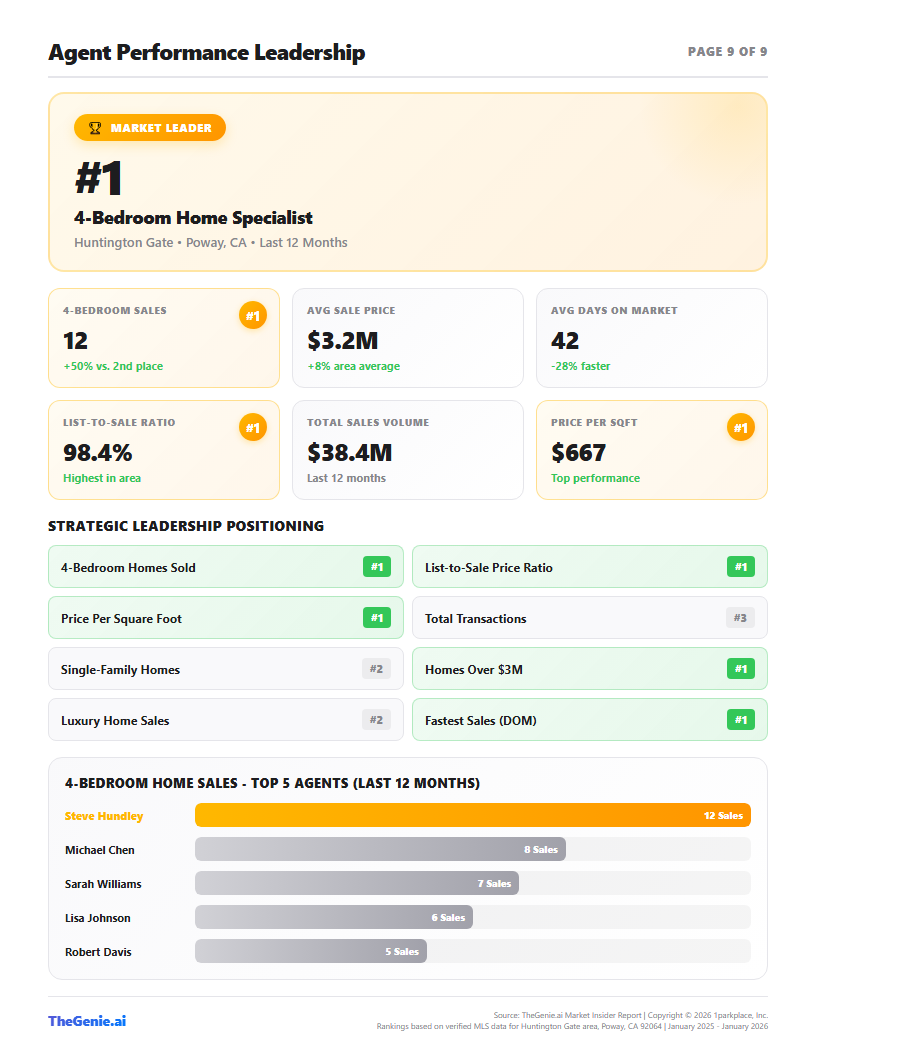
Every producer you cover sits in the same data — who is listing, where, and how much of each area they hold — including the ones you have yet to meet. It turns a call list into a shortlist.
100Agents per rep, typically
How to read your market
Four questions the data answers before you dial.
01
Who is winning listings here right nowRanked by listing activity in the specific areas you cover, so the list reflects your own market rather than a national leaderboard.
02
Which of them are growingAn agent whose share is climbing is building something, and an agent who is building something is looking for people who can help.
03
Which neighborhoods are still wide openAreas with high turnover and low concentration are the ones an agent can realistically take, which makes them the best thing you can walk in talking about.
04
Who has agents underneath themA team leader with a roster is a different conversation, because every agent they add is another set of market decisions to make and another area to think about.
The opening
Walk in with the number that changes how they see their own market.
An agent can find their own sales volume. What is harder for them to see is how much of a specific neighborhood they hold, who is ahead of them in it, and which nearby area is genuinely open.
That is the difference between a call they take and a call they return.
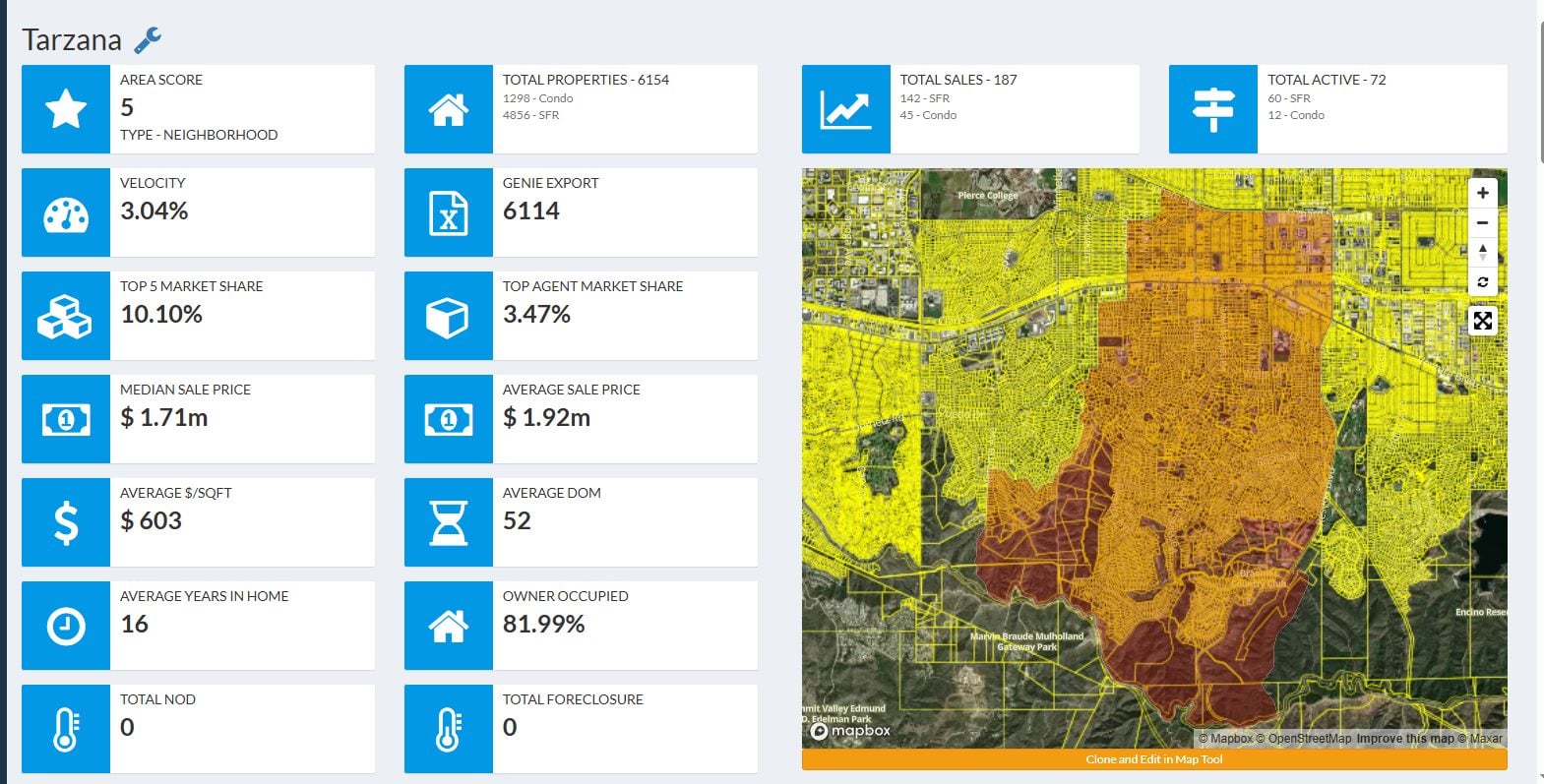
Bring your market and we will show you the list.
Give us the areas you cover and we will show you the producers inside them, ranked by what they are actually listing.