

Eight systems.
One listing lifecycle.
Each of these runs on its own and they share one engine underneath. Something happens on a street — a listing goes active, an open house is scheduled, a competitor takes a sign down — and the marketing for it produces itself, under the name of whoever is running it.
Patented GeoSocial audience technology · US Patent 10,713,325 · 1ParkPlace, Inc.
One engine. Four things that start it.
Every system below is the same production engine pointed at a different moment. That is why they compound rather than collide.
Your own listing goes active
Listing Command produces the whole set for it, and keeps producing through pending and sold.
A competitor’s listing goes active
Competition Command makes their listing your marketing moment on that street. This is the one people underestimate.
The calendar comes round
Neighborhood Command runs the farm on a cadence you set once, whether anything is listed or otherwise.
An open house is scheduled
Open House Command — coming soon. It will deploy the whole weekend to whichever agent is hosting it.
Listing Command.
Set it and forget it.
Circle prospecting of your own listings, set once and left alone. The sign goes in the ground and the marketing produces itself: social sets, a property website, print, the neighbor pieces, the just-listed and just-sold runs, and the seller updates that keep a seller calm while the listing works.
Measured, from live campaigns: about 20% click-through, Listing Command, April 2026, at roughly two hundred neighbors an order.
It carries on through the two stages most teams waste. Pending is marketing. Sold is the strongest farming material you will ever hold on that street, and it feeds straight back into the next listing.
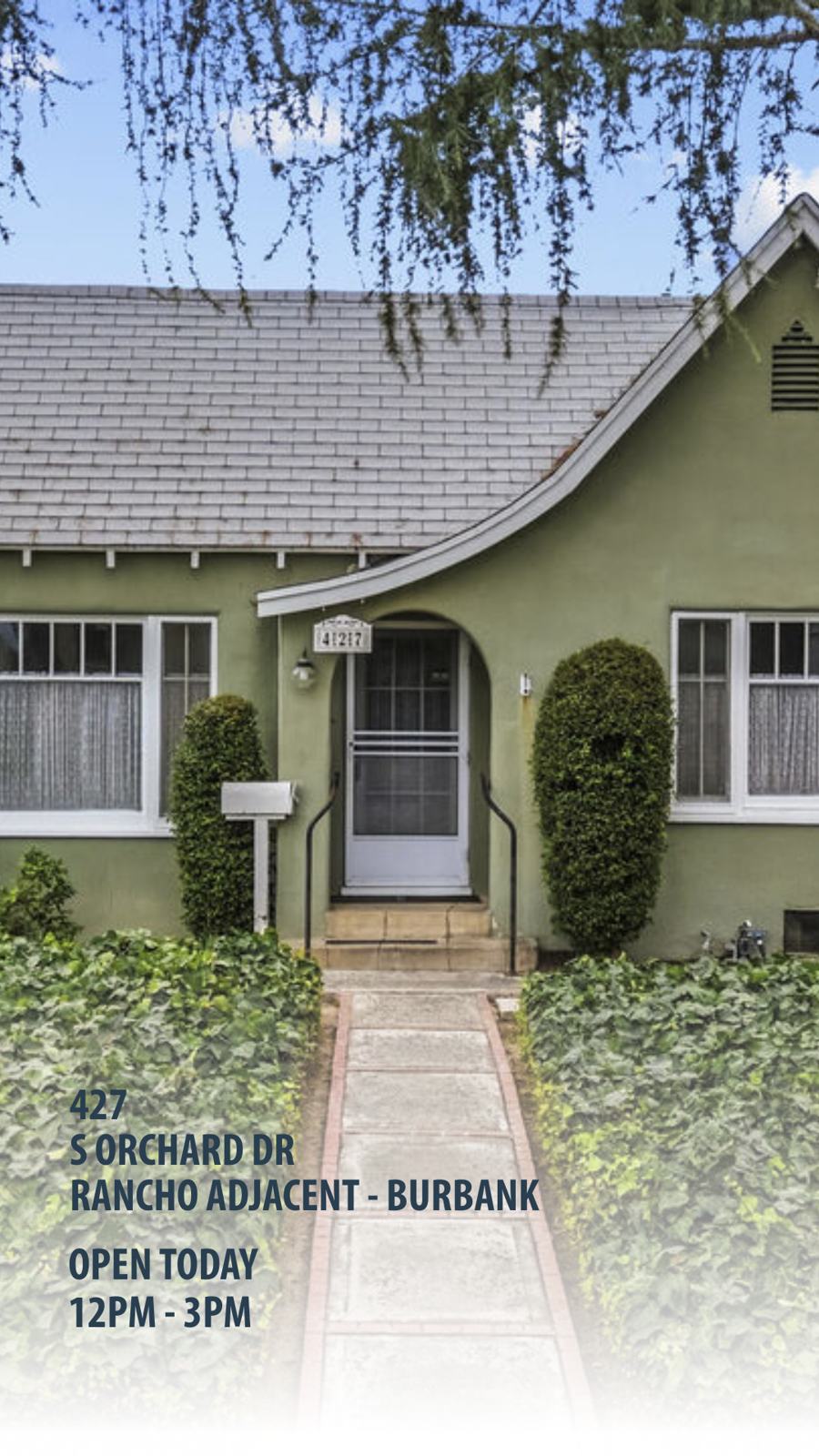
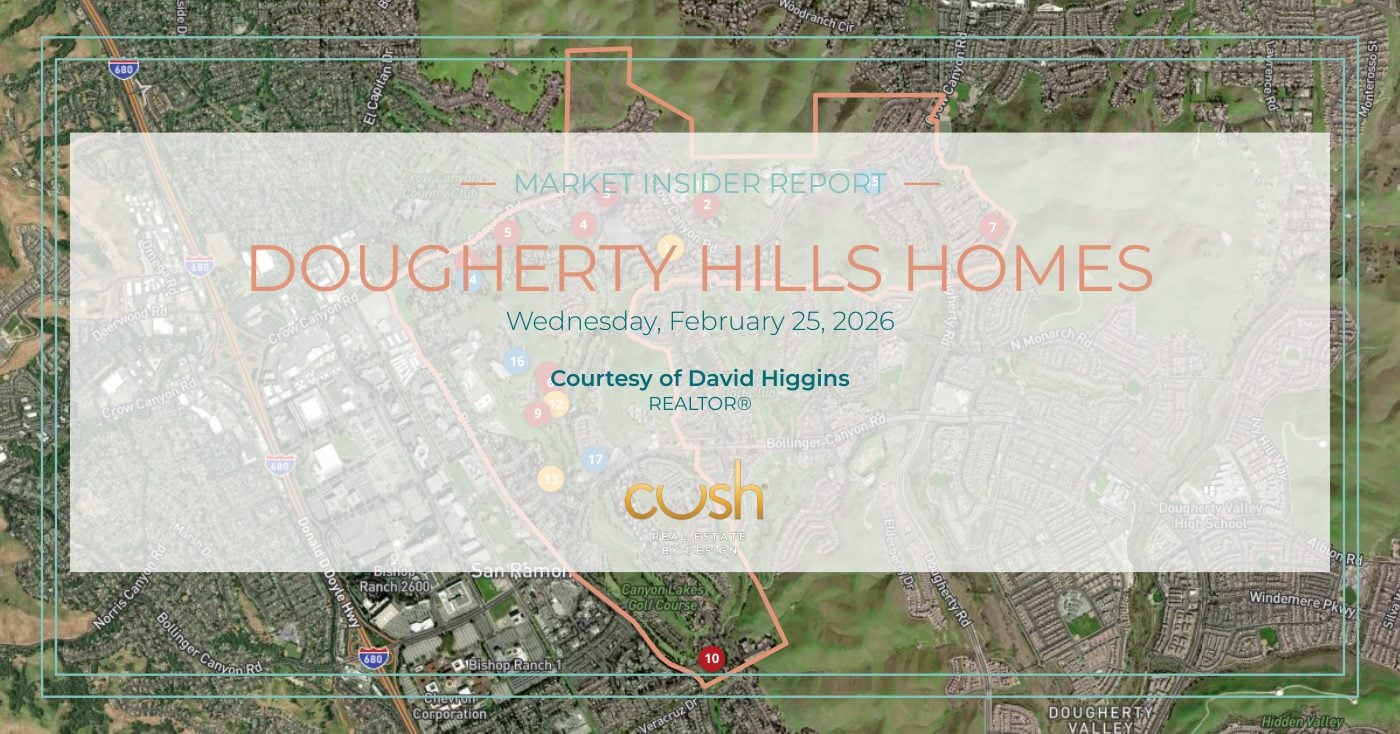
Neighborhood Command.
Precision farming, four channels.
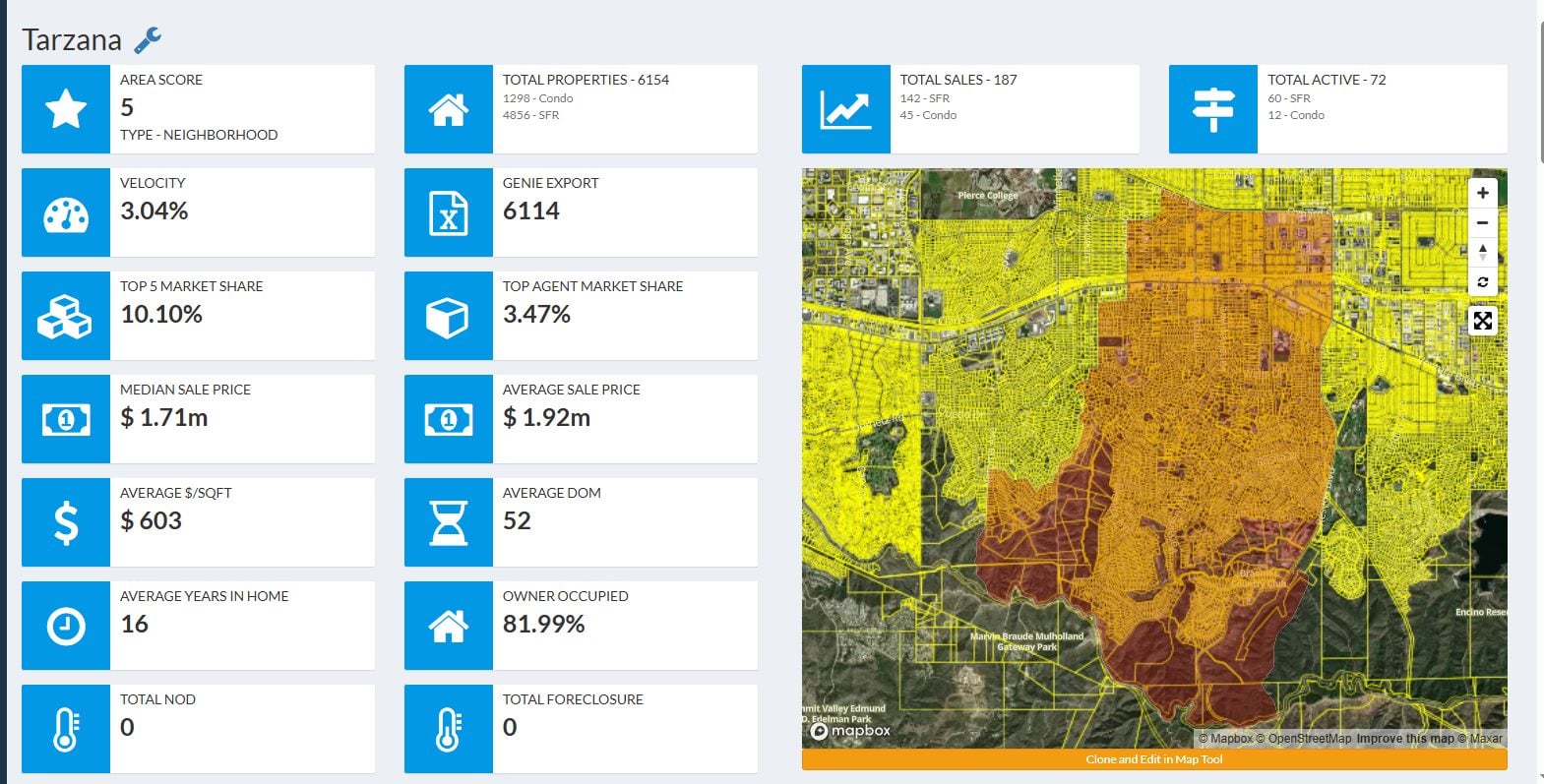
Automated and precision farming via social, digital, print and Stealth Engagement. Draw the area once and set the cadence once. From then on it runs: social to the owners inside it, print to the doors, Stealth Engagement to confirm who is reachable, and a Market Insider report about their own street that people actually keep.
It works on the homeowner who is still years away from selling, which is the only kind of homeowner there are enough of. You want to be the name they already trust on the day they finally think about selling.
Competition Command.
We market their listing before they do.
Instant circle prospecting of your competitor’s listings. Hold a ZIP code by property type, and every competitor listing that goes active inside it becomes your marketing moment. Their sign goes up and your name lands on that street the same week.
This is circle prospecting done to the competition rather than to your own inventory, and it runs whether you have a listing on that street or otherwise.
One team holds a ZIP code. The next team asking is told it is spoken for. It is presented and then approved, which is what keeps it worth holding.
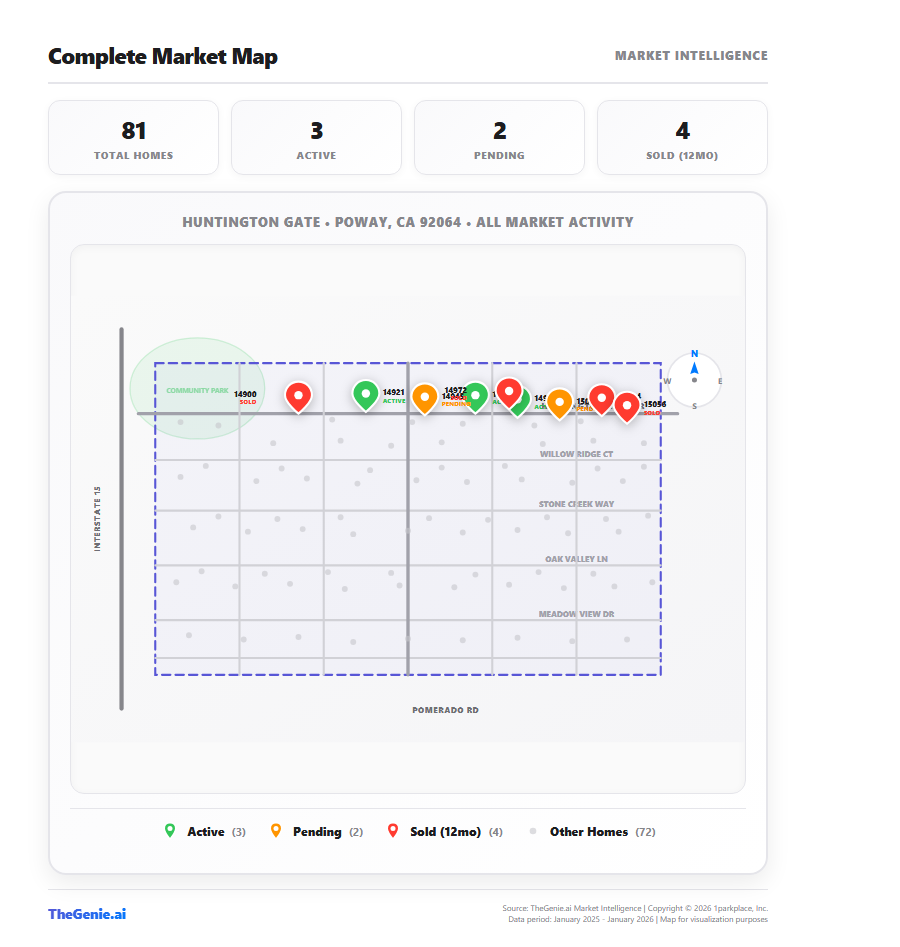
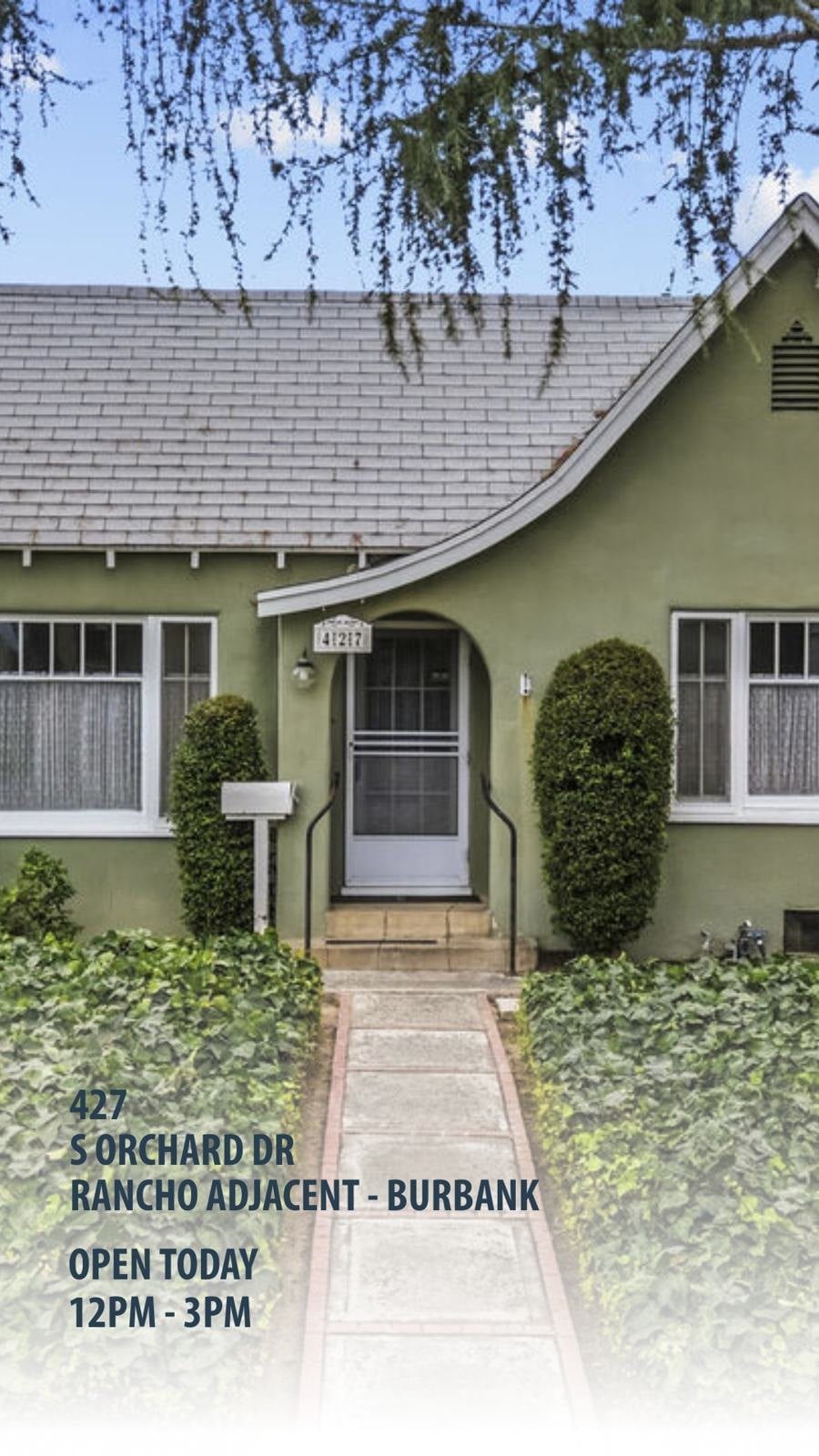
Deploy a whole weekend
to any agent on the roster.
Invitations to the neighbors, the signage, the social run, the sign-in, and the same-day follow-up while it is still warm.
The leader deploys it and the hosting agent runs it, with every piece under the hosting agent’s name. That is what lets a team run twelve open houses on a Saturday rather than two.
Everyone else draws a circle.
We market to the neighborhood.
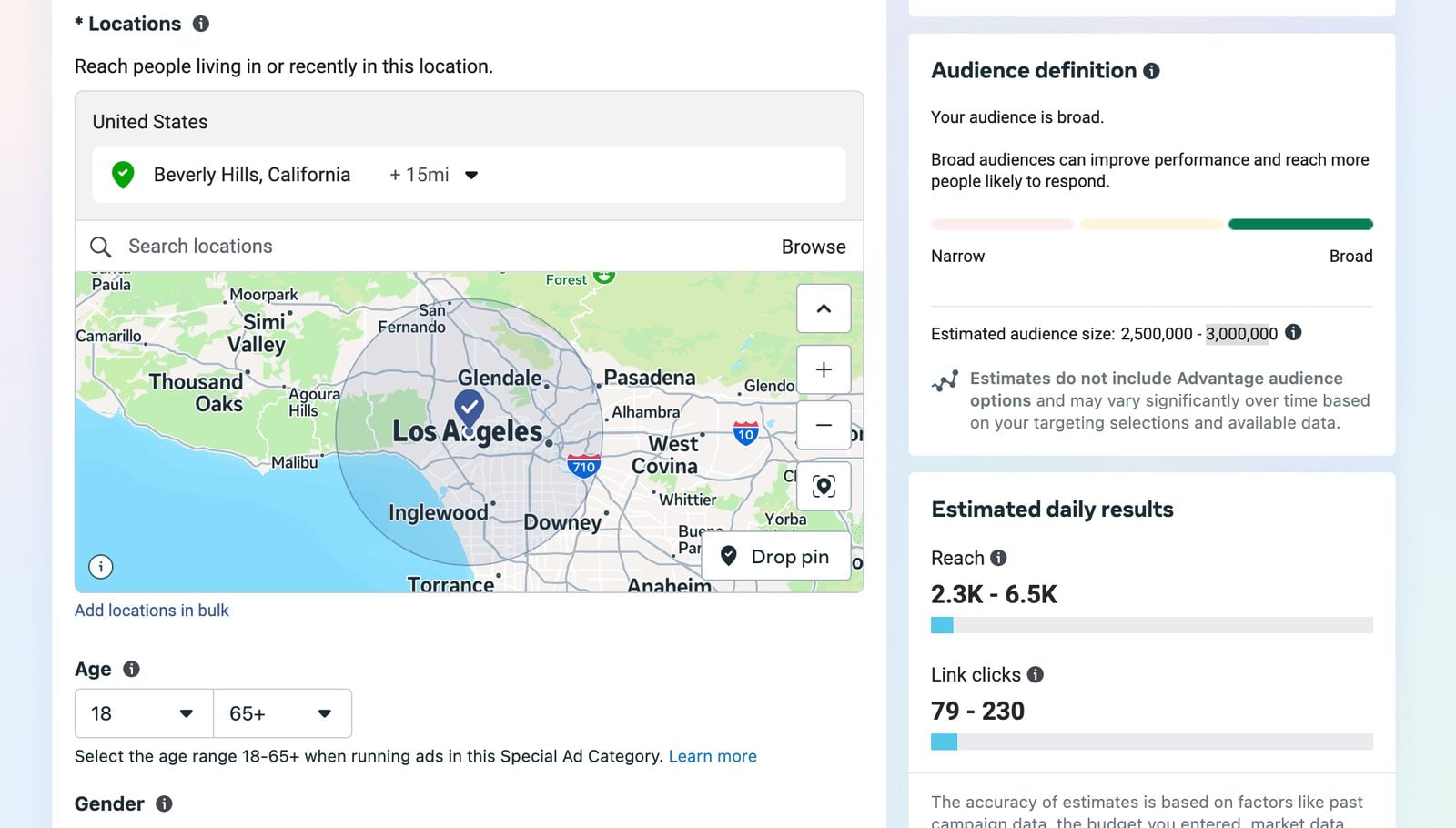
A circle is measured in miles, and it takes in everybody standing inside it: renters, teenagers, people passing through, and reach numbers in the millions that flatter a report and leave you where you started.
GeoSocial builds the audience out of the people who own the homes in the neighborhood you drew, and it stops there. That is what GeoSocial means: the geography of the owner. It follows the owner rather than the postcode, so the one who moved to Denver still sees your name on the street they still own.
Then it bridges straight to Facebook and Instagram, so the farm runs on social automatically rather than as a thing somebody has to remember to post.
Your invisible assistant.
Paisley is our AI, and she sits next to you inside the dashboard from the first minute of a free account.
Ask her about an area, a listing, a seller, or what to send next, and she answers against your market rather than against the internet. She is the reason a new agent can run the same systems as your best one.
Where it all comes out.
Content has to land somewhere and data has to go somewhere. These are those two.
The Marketing Hub
The template library and the publishing side: the place the content lives, gets branded, and goes out. Your whole marketing operation in one board.
Open →Connect it to what you run
It integrates with any CRM. The systems produce, your CRM keeps the relationship, and the embeds put live market data on the sites you already have.
Open →Bring one area and we will run the systems against it.
Thirty minutes on a ZIP code you already work: where you rank, what is still open, and what these systems would have produced there last month.