

The consultation,
run face to face.
Five steps. It is a working session on the areas an agent is choosing, and that is the reason they take the next call. You are the knowledge source in the room.
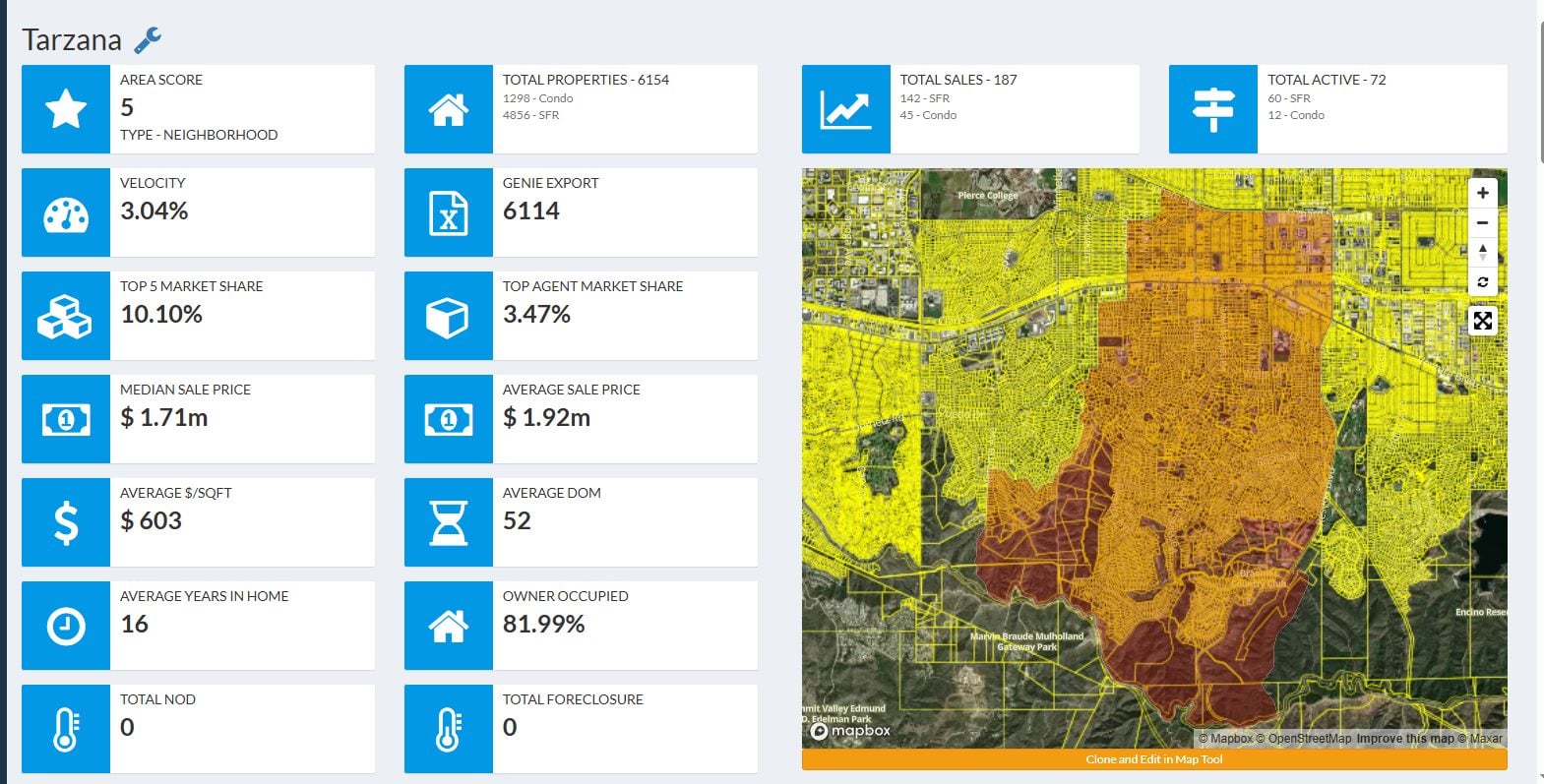
Choose a farm like a stock pick.
It turns a sales call into a working session on the agent’s own business, which is why it earns the next meeting.
The consultation, broken into what it actually shows.
You run it from one screen. These are the pieces you walk an agent through, in the order that lands.
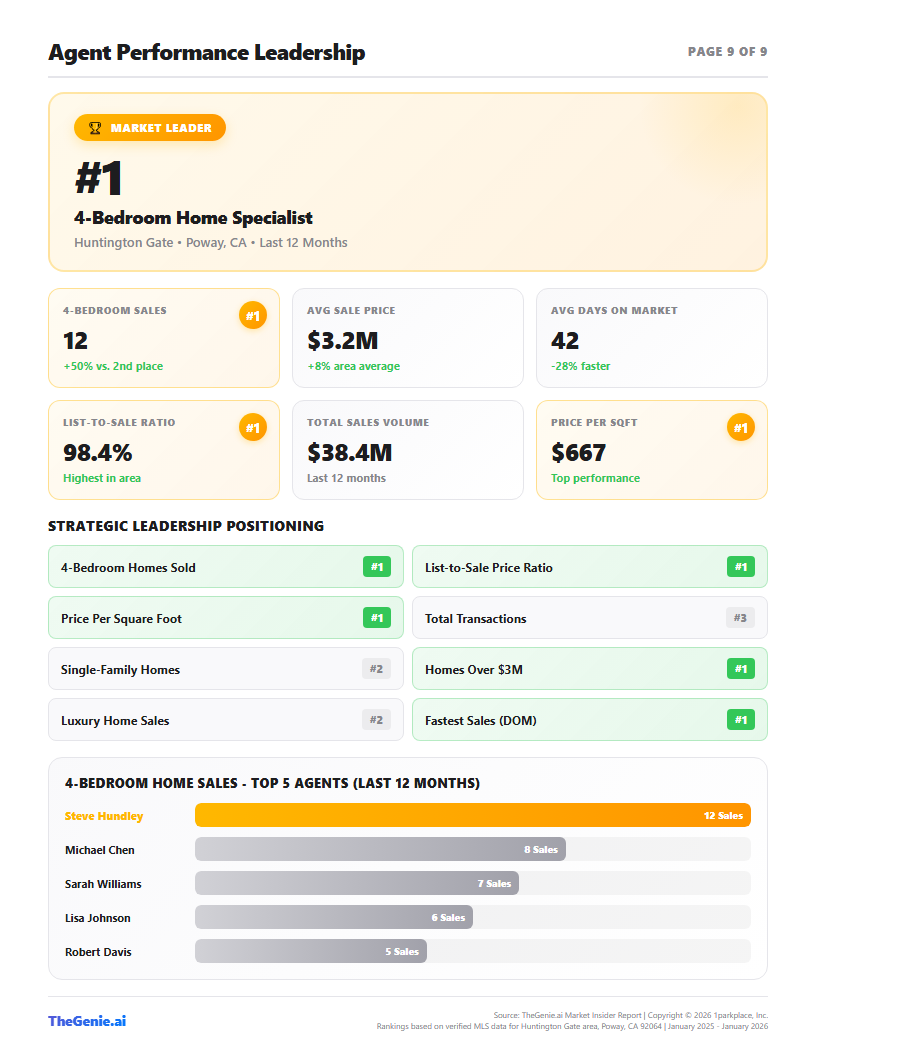
01 · Where they rank
Their share of the area against every other agent listing on those streets. This is the slide that gets their attention.
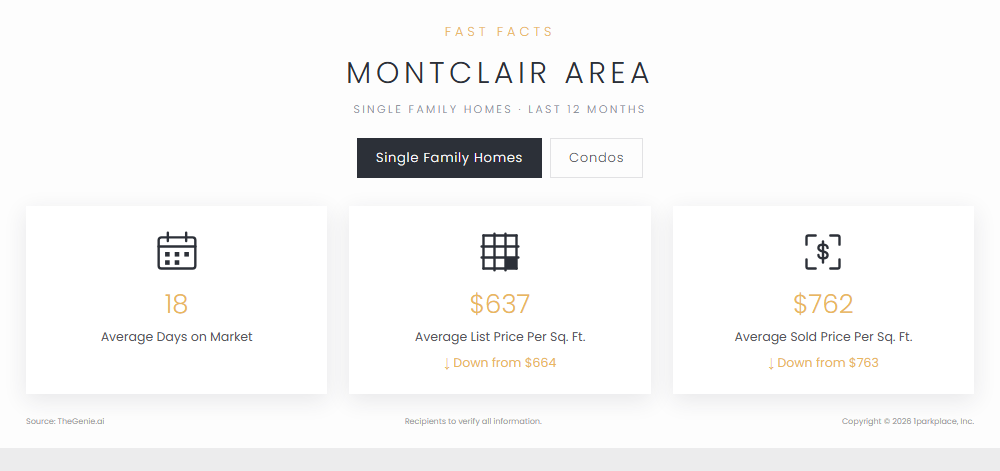
02 · What kind of area it is
Homes, average tenure, owner-occupancy and turnover. It tells you whether a farm here will pay at all.
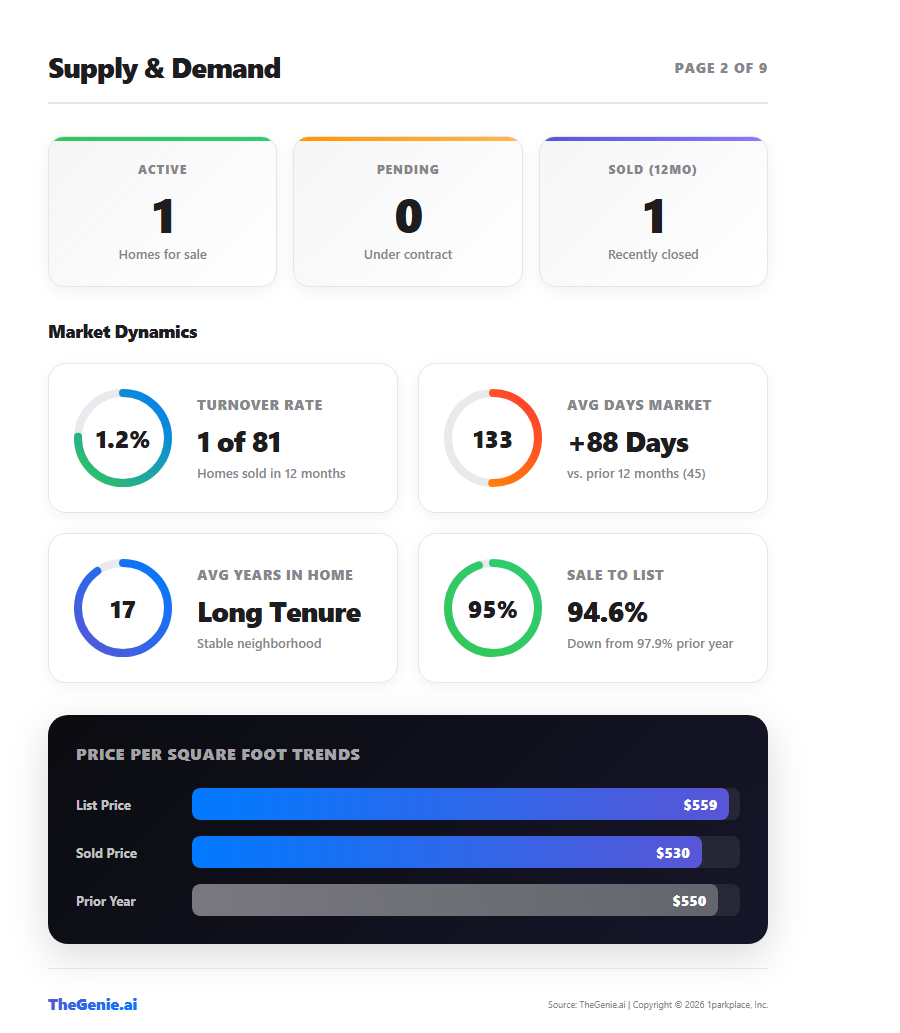
03 · Supply against demand
Inventory and absorption for that neighborhood, so the pricing conversation rests on real numbers.
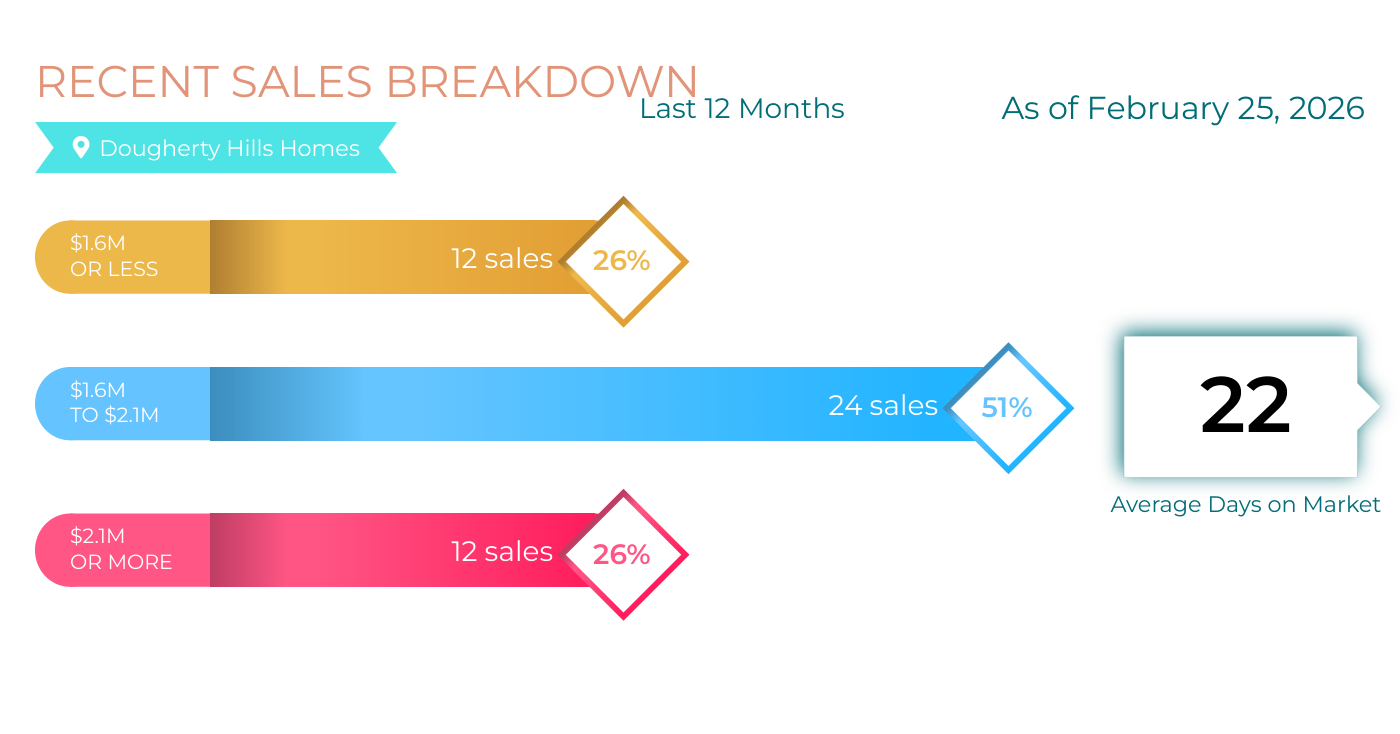
04 · What is selling
The breakdown of what actually closed, and the sale-to-list picture behind it.
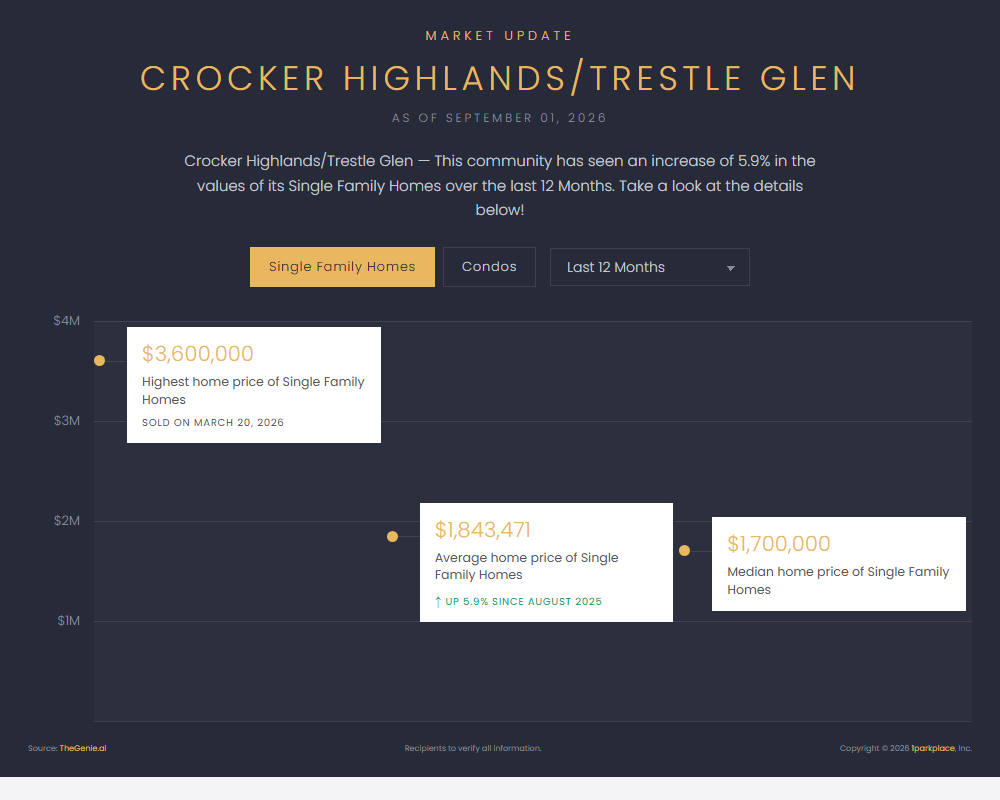
05 · Where the prices sit
Price bands across the area, which is how an agent works out whether their average sale fits the neighborhood they are chasing.
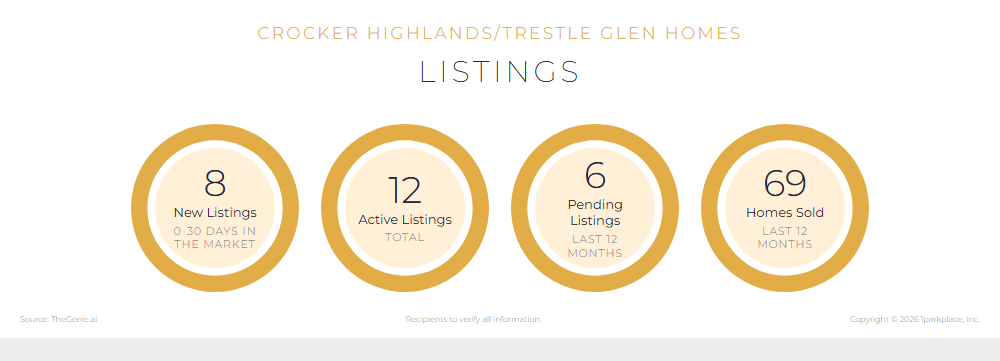
06 · Which way it is moving
Direction and velocity. Two agents can hold the same share and be heading in opposite directions.
This help costs them something to act on.
Helping an agent choose where to farm is expertise. It is the kind of help that raises your standing with them precisely because it costs them something to act on it.
And it scales across everyone you serve. Every agent you cover can have this conversation with you, which is exactly how a title relationship is supposed to work.
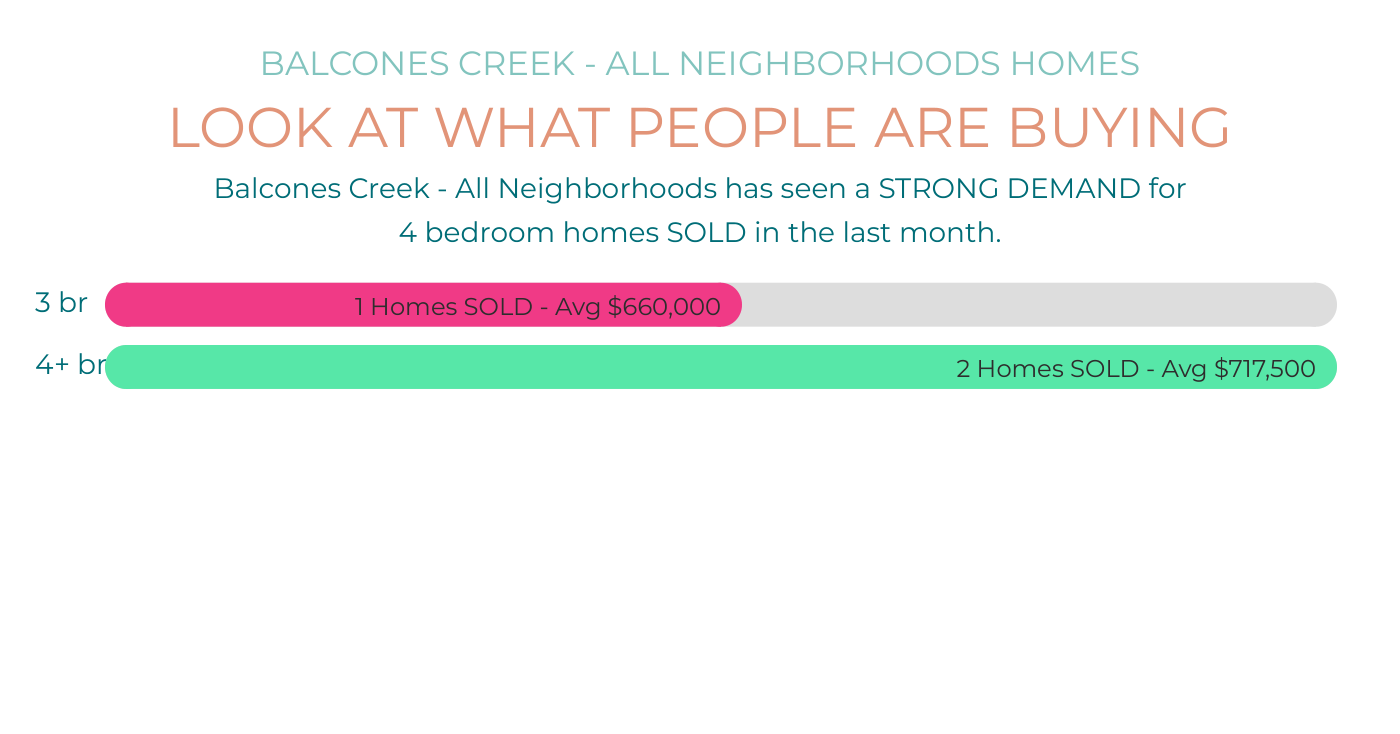
Bring an agent you already serve.
Bring one area you cover and we will run the consultation with you on it, so you can see exactly how it goes before you take it into an office.