

Everyone else draws a circle.
We market to the neighborhood.
A thirty-mile circle reaches three million people, and Facebook itself calls that audience broad. GeoSocial reaches the people who own the homes on the streets you chose — and it keeps reaching them, month after month, until the day they think about selling and your name is the one already in their head.
Patented GeoSocial audience technology · US Patent 10,713,325
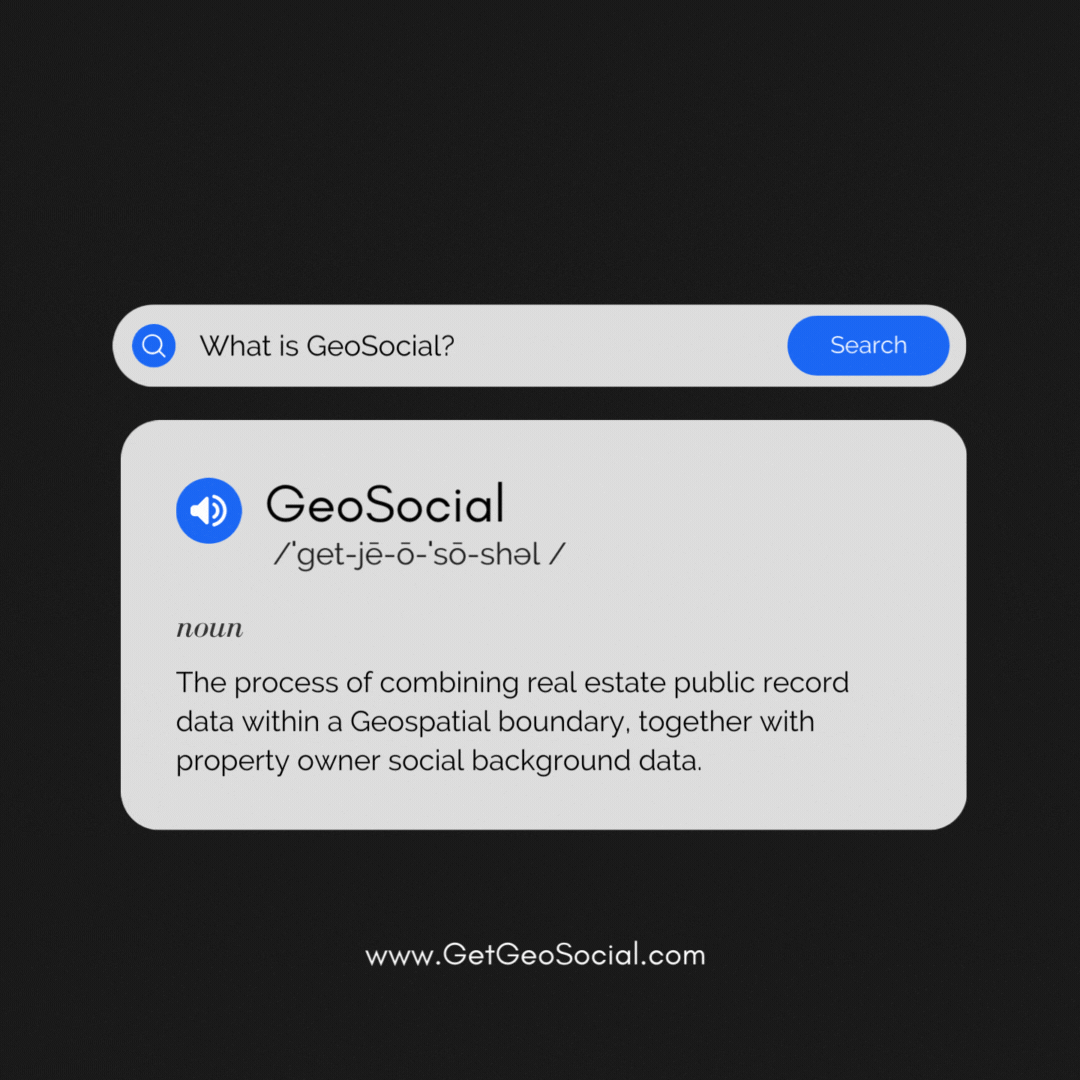
GeoSocial [jee-oh-soh-shuhl]
noun.
A marketing strategy that combines geographical data with social media engagement to reach the homeowners inside a neighborhood you choose, with precision.
Geography tells you which homes. Social tells you where those owners spend their evenings. Put the two together and you can advertise to one neighborhood the way the rest of the industry advertises to a whole county.
Out with the GeoFence, in with GeoSocial audiences.
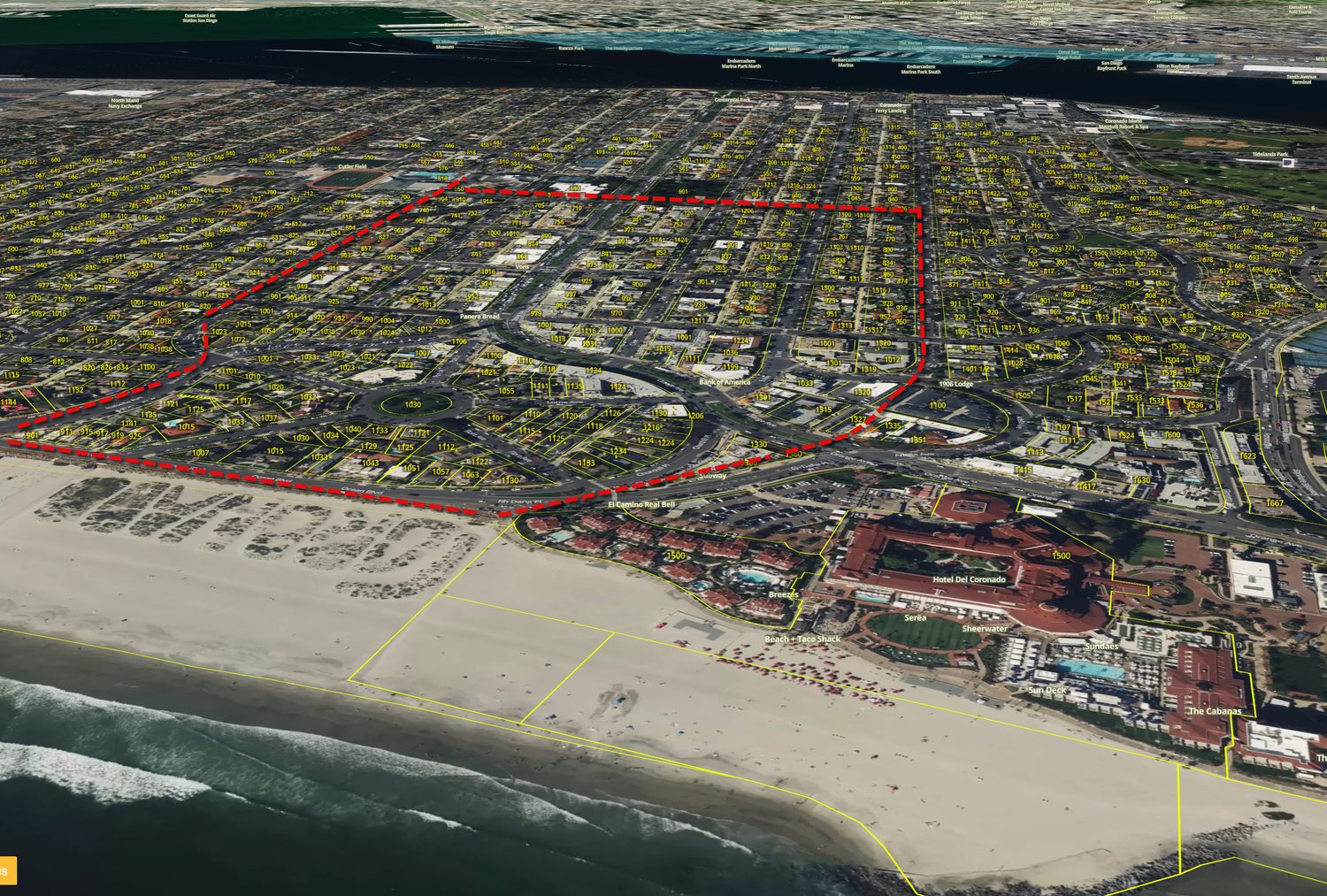
The engine that builds the audience.
ListMiner is the part that does the work. It mines ownership data for the boundary you drew and assembles a GeoSocial audience out of the people who own those homes — then bridges it straight into Facebook and Instagram as an audience you can actually advertise to.
It follows the owner rather than the postcode. The landlord in Denver and the heir two states away still see your name on the street they still own.
That is the whole difference, and it is why the patent exists.
A thirty-mile circle.
Three million people.
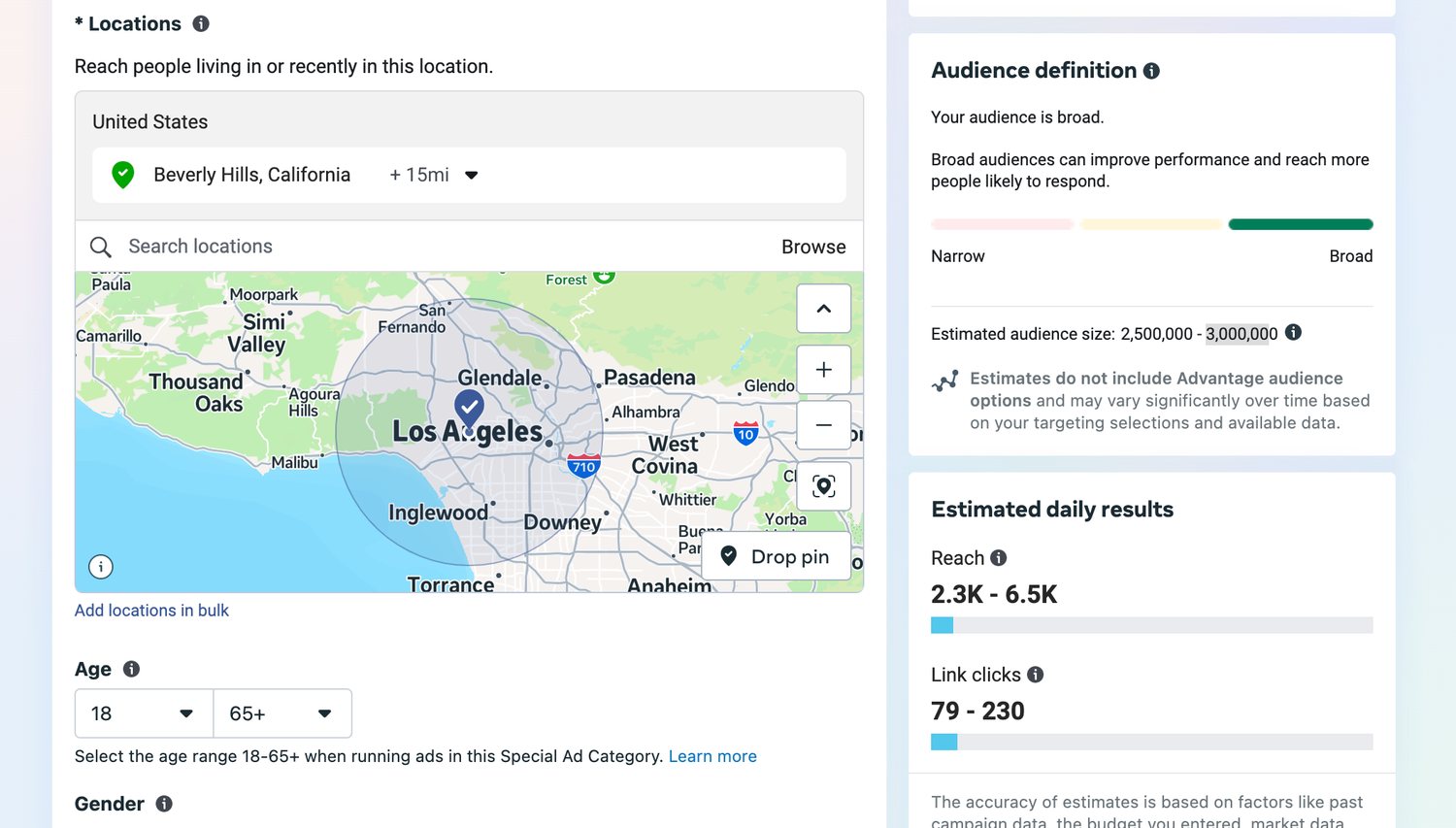
This is Facebook’s own advertising screen, set around Beverly Hills. Their box reads “+15mi”. What that draws is a thirty-mile circle — it runs from Malibu to West Covina and from Glendale down to Torrance, and it covers 707 square miles.
Facebook grades the result itself: “Your audience is broad.” Estimated audience size 2,500,000 to 3,000,000.
Look at the west edge of it. That circle runs past Malibu and out over the Pacific. A good part of what is being paid for there is ocean, and the rest is thirty miles of city belonging to somebody else’s farm.
That is what everyone else means by circle prospecting. Somewhere inside that circle are the few hundred owners on the streets you actually work, and you are paying to reach all three million to find them.
A thirty-mile circle, against an audience of owners.
The same advertising money, pointed two different ways.
A thirty-mile circle
2.5 to 3 million people, and Facebook labels it “broad” itself. Renters, teenagers, tourists, and everyone who drove through once. The people who could sell you a house are a rounding error inside it.
A ListMiner GeoSocial audience
The owners of the homes in the neighborhood you drew. Every impression lands on somebody who owns a house on a street you have chosen to win. Smaller number. Entirely different business.
Surgically divided,
by neighborhood and property type.
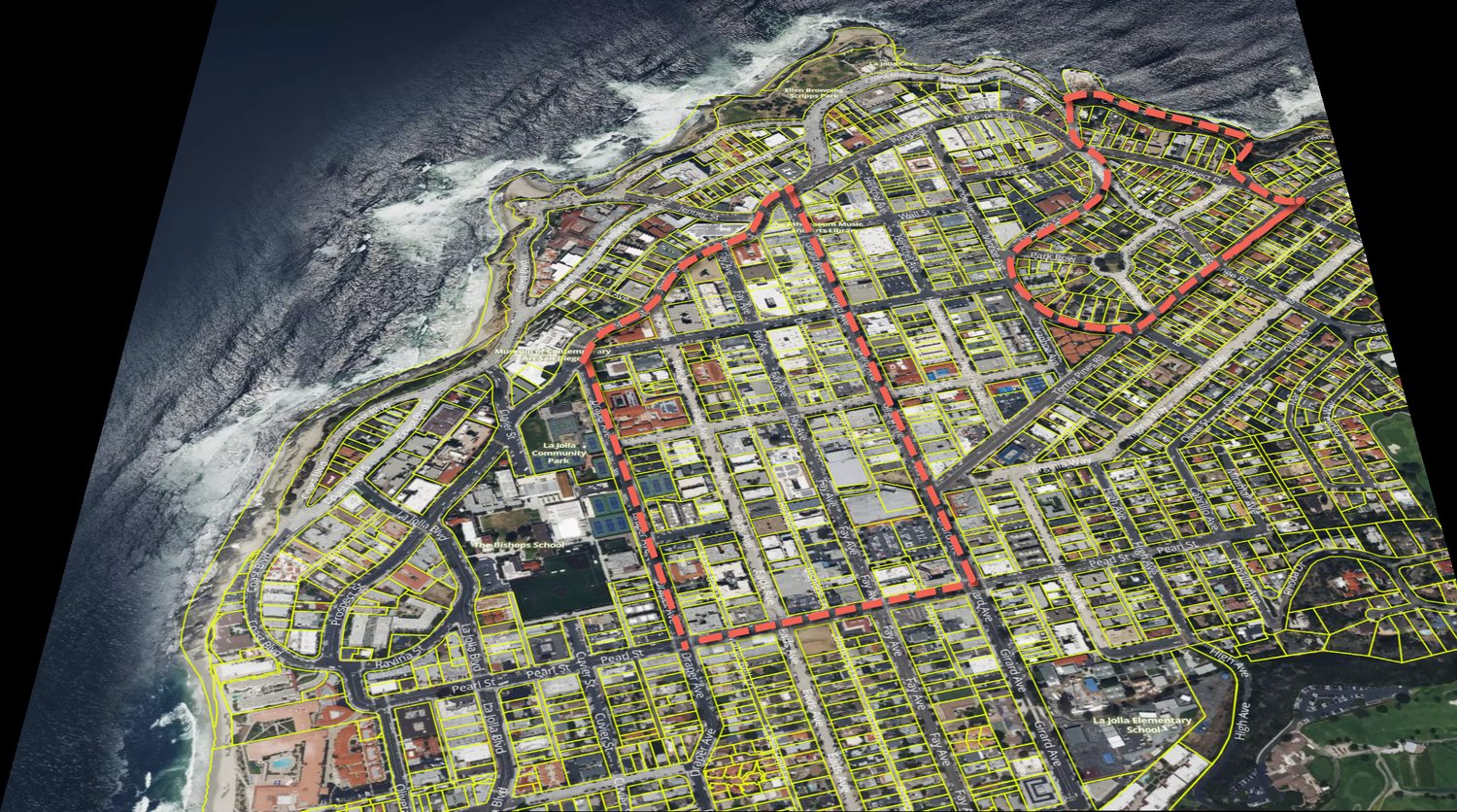
A ZIP code is the outer boundary and the place everyone else stops. Inside it are the neighborhoods people actually name when they say where they live.
Draw them separately and market to them separately. The condo tower and the street of family homes behind it are two different markets, two different messages, and two different audiences — and this is the only way to run both at once.
The same neighborhood,
at a fraction of the postage.
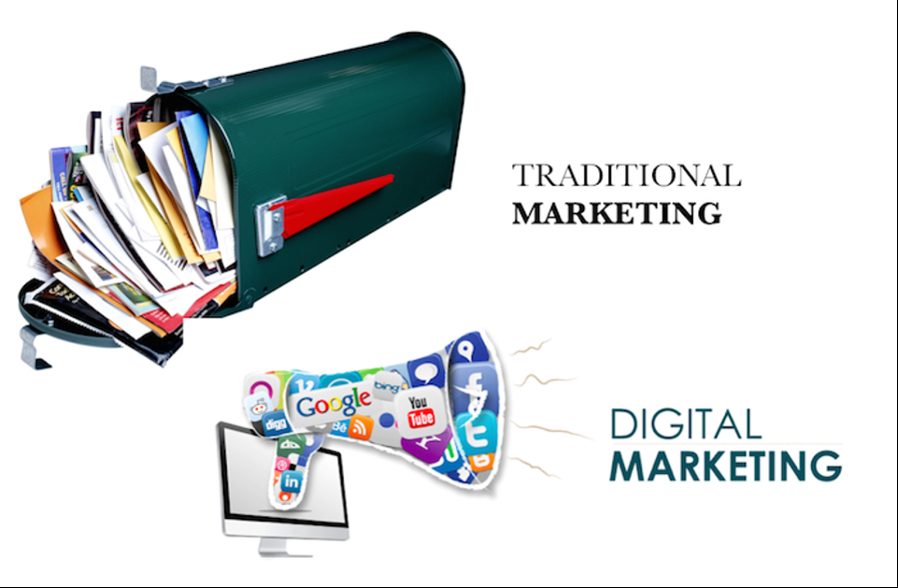
Farming a neighborhood by mail costs what it costs, arrives once, and goes in the bin on the way in from the driveway.
The same neighborhood, reached socially, can be touched repeatedly for a fraction of a single mail drop — and every touch is measurable, which is the one thing a postcard has always kept from you.
Three steps, and the first one takes thirty days.
This is the sequence we run when a team takes an exclusive ZIP code.
Find out whether your ZIP code is still open.
Bring one ZIP code you already work. We will divide it by neighborhood in front of you and show you the audience inside each one.